
FERTILIZER
ALL TYPES
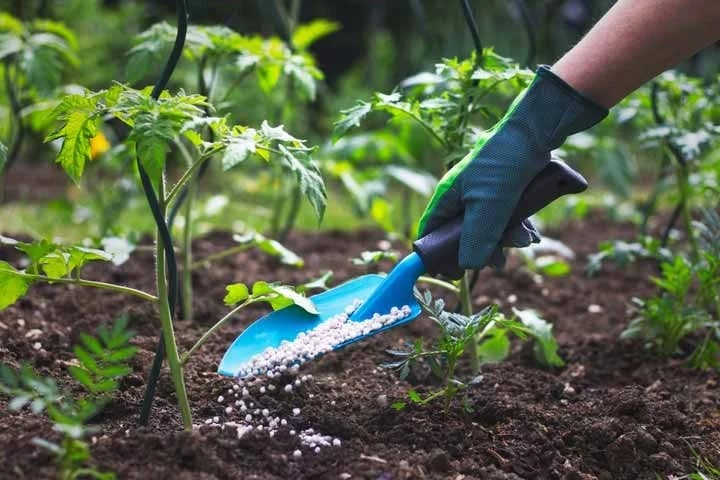
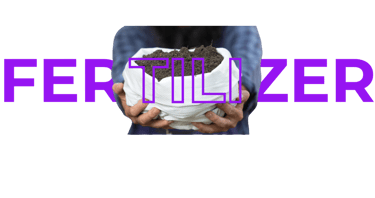
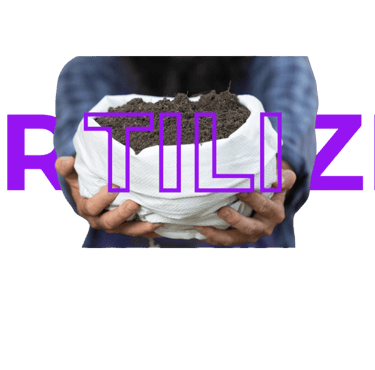
Fertilizers are broadly categorized as organic (natural, slow-release like manure, compost) or inorganic/synthetic (lab-made, fast-acting like urea, ammonium nitrate) WE EXPORT AND IMPORT THIS

Cow dung manure is a natural, nutrient-rich organic fertilizer from decomposed cow dung, loaded with nitrogen, phosphorus, and potassium, improving soil structure, water retention, and microbial life for healthier plants

Bio compost fertilizer is nutrient-rich organic matter (plant/animal waste, kitchen scraps) decomposed by microbes, improving soil structure, water retention, and microbial life, providing essential macro/micronutrients (NPK, Calcium, Iron)

Leaf mold is a dark, crumbly, soil-like material made from decomposing fallen leaves, primarily broken down by fungi, not bacteria like compost

Vermicompost is a nutrient-rich organic soil conditioner and fertilizer made from worm castings


Peat is a partially decomposed organic matter from bogs, used in gardening as a soil conditioner to improve water retention, aeration, and structure,

Nitrogen (N) & Phosphorus (P) fertilizers provide two of the three primary macronutrients for plants, boosting leafy growth (N) and root/flower/fruit development (P)

Potassium fertilizer, or potash, provides plants with essential potassium (K) for strong growth, disease resistance, and improved crop quality (like fruit size/sweetness), activating enzymes and regulating water

A micronutrient fertilizer provides essential trace elements like iron (Fe), zinc (Zn), manganese (Mn), boron (B), copper (Cu), and molybdenum (Mo)

Calcium, Magnesium, and Sulphur (CMS) fertilizers provide essential secondary nutrients crucial for plant health, improving cell structure (Ca), boosting chlorophyll/enzyme function (Mg), and aiding amino acid/protein synthesis (S)